ClickCease
Skip to content

Sales Motivational Quotes to Inspire High-Performing Sales Teams

Sales is a profession built on resilience, mental toughness, and consistent effort. Every sales manager or individual contributor faces daily challenges, from cold calls to lost deals. Even top performers and successful entrepreneurs experience setbacks and disappointment.

That’s why motivational quotes for sales matter. They serve as a driving force behind positive thinking, helping sales organizations stay focused, improve time management, and build a strong company culture rooted in performance. 

Whether you’re preparing for your next sales call, leading a rocket ship startup, or refining your business strategy as a Chief Marketing Officer, the following quotes can help reset your mindset and drive greater results.

Sales Quotes on Persistence and Overcoming Rejection

  • “Success is stumbling from failure to failure with no loss of enthusiasm.” — Winston Churchill
  • “Timid salesmen have skinny kids.” — Zig Ziglar, legendary sales author and inspirational speaker
  • “Every ‘no’ brings me closer to a ‘yes’.” — Mark Cuban
  • “Rejection is a personal laboratory where you learn to win.” — Unknown
  • “The harder the conflict, the more glorious the triumph.” — Thomas Paine
  • “Innovation distinguishes between a leader and a follower.” — Steve Jobs
  • “Character consists of what you do on the third and fourth tries.” — James A. Michener
  • “Our greatest weakness lies in giving up. The most certain way to succeed is always to try just one more time.” — Thomas Edison
  • “A complaining customer is a chance to improve customer satisfaction and strengthen lasting customer relationships.” — Unknown
  • “Everything you’ve ever wanted is on the other side of fear.” — George Addair

Sales Quotes on Discipline, Routine, and True Productivity

  • “We are what we repeatedly do. Excellence, then, is not an act, but a habit.” — Aristotle
  • “True nobility is being superior to your former self.” — W.L. Sheldon
  • “The difference between successful people and others is not mere talent, but discipline and hard work.” — Vince Lombardi
  • “Motivation is what gets you started. Habit is what keeps you going.” — Jim Ryun
  • “The successful warrior is the average man, with laser-like focus.” — Bruce Lee
  • “Discipline is the bridge between goals and accomplishment.” — Jim Rohn
  • “Amateurs sit and wait for inspiration, the rest of us just get up and go to work.” — Stephen King
  • “Work like there is someone working twenty four hours a day to take it away from you.” — Mark Cuban
  • “The best time to plant a tree was 20 years ago. The second best time is now.” — Chinese Proverb

Sales Quotes on Confidence, Mindset, and Sales Conversations

  • “Whether you think you can, or you think you can’t, you’re right.” — Henry Ford
  • “Confidence is contagious. So is a lack of confidence.” — Vince Lombardi
  • “The questions you ask are more important than the answers you give.” — Jeff Shore
  • “Assume the best of every prospect, but prepare for objections tied to real pain points and logical reasons behind buying decisions.” — Sales principle
  • “Your attitude, not your aptitude, will determine your altitude.” — Zig Ziglar
  • “People do business with those they know, like, and trust.” — Bob Burg
  • “A strong value proposition connects emotion with logical reasons to influence a purchase decision.” — Sales principle
  • “A positive outlook is the most influential thing you can bring to a sales pitch.” — Keith Rosen
  • “Fresh ideas come to those who refuse to be a wandering generality.” — Zig Ziglar

Sales Quotes on Success, Performance, and Closing Deals

  • “Great things are done by a series of small things brought together.” — Vincent Van Gogh
  • “Don’t find customers for your products, find products for your customers.” — Seth Godin
  • “The true price of anything is the amount of life you exchange for it.” — Henry David Thoreau
  • “Success is not about being the best. It’s about being better than you were yesterday.” — Ron Carucci, best-selling author
  • “Opportunities don’t happen. You create them.” — Chris Grosser
  • “High expectations are the key to everything.” — Sam Walton
  • “The only place where success comes before work is in the dictionary.” — Vidal Sassoon
  • “I never dreamed about success. I worked for it.” — Estée Lauder
  • “Optimism is the faith that leads to achievement.” — Helen Keller

Funny Sales Quotes to Keep Perspective

  • “Always Be Closing.” — Blake, Glengarry Glen Ross
  • “I love my job, it’s the work I hate.” — Anonymous
  • “My sales manager told me to have a productive day. So I went home.” — Funny sales trope

How Sales Leaders Use Motivational Quotes

1. Kick off Team Meetings

Starting team meetings with inspirational sales quotes can significantly boost energy and focus. By selecting words that resonate with current challenges, you set a positive tone right from the beginning. 

This practice captures attention and encourages open discussion, prompting team members to share their interpretations and relate them to their objectives. The shared experience creates a sense of camaraderie and reinforces a common purpose.

2. Reinforce Sales Coaching

Integrating quotes into coaching sessions or case studies provides a relatable context for team members. When addressing complex sales scenarios, using insights from respected leaders can illuminate key strategies. 

For example, a quote about resilience can be linked to a case where a salesperson overcame significant obstacles to close a deal. This approach helps performers understand that challenges are part of the journey and reminds top performers of the foundational principles that drive success.

3. Share in a Weekly Newsletter

Including sales quotes in a weekly newsletter is an effective strategy to engage an audience of business owners, clients, or colleagues. These quotes serve as sources of motivation and conversation starters. 

Carefully selecting quotes that align with company values helps you reinforce your message and strengthen relationships. You could also invite your audience to reflect on how these words relate to their experiences, fostering community engagement.

4. Build Company Culture

Quotes play a crucial role in shaping and reinforcing company culture. By consistently sharing messages that promote resilience and a growth mindset, you instill these values within your organization. 

This practice helps employees feel supported, encouraging them to adopt a more positive perspective toward failure. Over time, this leads to a stronger team dynamic in which members motivate one another and work collaboratively toward common goals.

5. Encourage the Extra Mile

In a competitive environment, it is essential to motivate your team to go beyond the basics. By reminding representatives that success often comes from making an extra effort, such as personalizing their approach to clients or pursuing additional learning opportunities, you create a culture of ambition. 

Regular emphasis on perseverance helps reps maintain their momentum and adopt a proactive mindset, ultimately leading to higher performance.

Final Thoughts

There is no perfect moment in sales. Success comes from showing up every day, refining your skills, and staying committed through daily challenges. Whether you are studying sales playbooks or learning from motivational speakers, remember that effective communication is a key skill behind every great salesperson.

Use these sales motivational quotes to stay focused, build mental toughness, and help your team achieve greater results. Because in sales, mindset is the driving force.

More Resources

For more insights on building high-performing sales teams and mastering your revenue metrics, explore the latest articles from the Peak Blog:
Sales Pods: How High-Growth B2B Teams Structure for Faster Pipeline and Revenue

For many VP of Sales and revenue leaders, scaling pipeline is not just a hiring problem. It is a structural one.

You may be seeing the same patterns:

  • Sales reps working in silos
  • Poor collaboration between SDRs, BDRs, AEs, and customer success teams
  • Slow pipeline generation despite increased headcount
  • Lack of clear ownership across accounts
  • Difficulty scaling without adding complexity

High-growth B2B companies are addressing this by rethinking their sales model and adopting the right sales team structure that aligns the entire revenue team around outcomes. One of the most effective approaches is the sales pod.

This article focuses on how sales pods actually work, how they impact sales performance, and how to evaluate whether this structure fits your team.

What is a Sales Pod?

A sales pod is a small group of sales professionals organized into a cohesive unit with one shared objective. Instead of an assembly-line model where roles operate in isolation, pods function as dedicated teams aligned with a specific territory, customer segments, or a defined customer base.

Each pod operates with a shared goal and is responsible for both customer acquisition and retention throughout the customer journey.

A typical pod includes:

  • Sales Development Representatives or business development reps focused on outbound sales and qualifying leads
  • Account Executives are responsible for closing deals and managing multiple decision-makers across departments
  • Customer Success Managers focused on expansion, retention, and meeting evolving customer expectations

In many SaaS company environments, pods may also include support from tools like Sales Navigator, HubSpot Sales Hub, or other Sales Hub platforms to streamline outreach and tracking.

The key principle is simple: the pod operates as a small group with one shared revenue objective. The pod’s one goal is to drive pipeline and revenue across the buyer’s journey, not just optimize a single stage.

How Does the Sales Pod Model Work?

Sales pods are structured around accounts and outcomes rather than isolated functions. This creates a more specific way of organizing customer-facing teams.

Core Roles and Responsibilities

Sales Development Representatives: Pipeline Creation

  • Identify and engage new clients through outbound sales
  • Qualify leads based on fit and intent
  • Partner with AEs to align outreach with the specific needs of target accounts

Account Executives: Revenue Ownership

  • Own the process of regularly closing deals
  • Navigate multiple decision-makers across different departments
  • Align sales efforts to sales goals and overall business outcomes

Customer Success Managers: Expansion and Retention

  • Support onboarding and long-term success
  • Drive expansion within the existing customer base
  • Ensure customers do not become unhappy customers due to misalignment or poor handoffs

How Pods Operate

  • A whole team works toward shared pipeline and revenue targets
  • Clear roles ensure accountability while maintaining collaboration
  • Continuous feedback loops improve deal quality and messaging
  • Strong alignment across the entire customer journey improves outcomes

Pods often create a natural mentor-mentee relationship between experienced and junior team members, improving both individual and team performance over time.

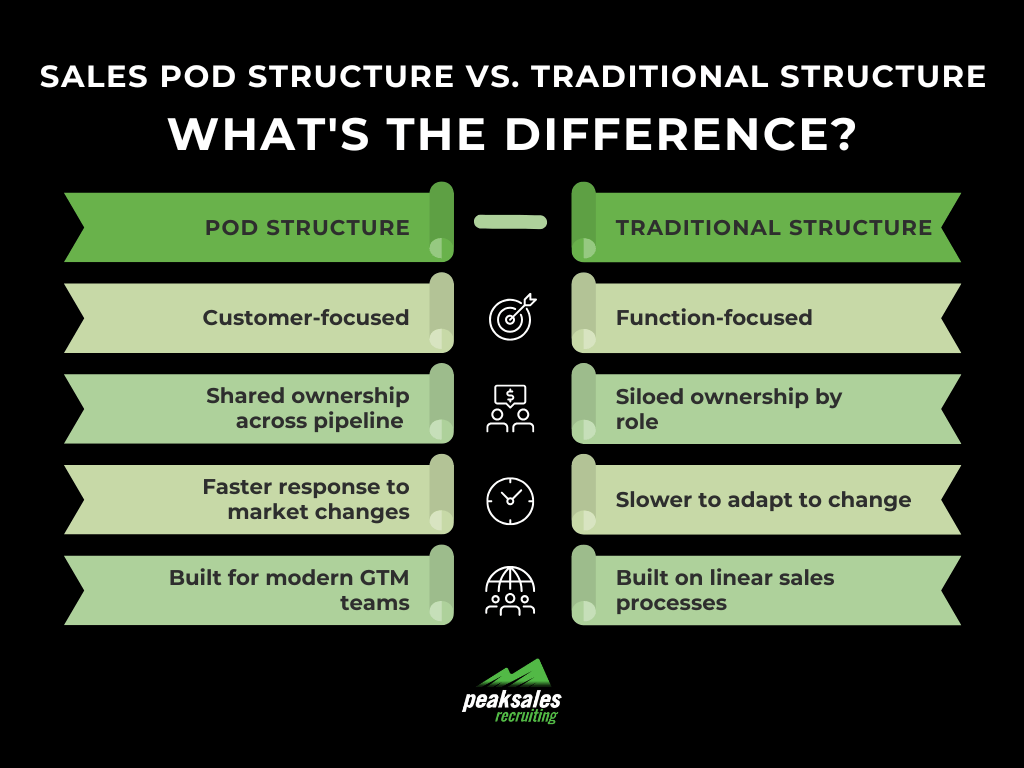
Sales Pod Structure vs Traditional Sales Structure

Traditional Model

  • Based on an assembly line model with separate objectives
  • SDRs, AEs, and CS operate in different groups with limited alignment
  • Focus on functional metrics rather than key sales metrics tied to revenue
  • Slower response to changing market dynamics

Sales Pod Model

  • Organized as a cohesive unit with common objectives
  • Shared ownership across pipeline, deals, and customer outcomes
  • Designed to improve quota attainment and higher sales performance
  • Better suited for remote work and modern GTM environments

Traditional structures often work for larger teams but can break down as complexity increases. Pods offer a more agile alternative, especially for companies selling into multiple industries with diverse customer needs.

A brief comparison of the sales pod structure versus the traditional structure.

6 Benefits of Sales Pods

  1. Better Collaboration and Communication

Pods eliminate silos between team members and create alignment across customer-facing teams.

This improves coordination across sales efforts and ensures every interaction supports the broader customer journey.

  1. Clear Account Ownership

Each pod owns a defined territory or segment, creating clarity and reducing friction.

This prevents overlap, ensures accountability, and supports a more efficient approach to managing clients, both new and existing.

  1. Faster Pipeline Generation

Close collaboration between Sales Development Representatives and Account Executives improves lead quality and prioritization.

This results in more efficient qualifying leads and faster movement through the pipeline.

  1. Higher Sales Performance

With aligned goals and shared accountability, pods drive higher sales performance across both individuals and the group.

Teams can focus on the right opportunities, improving quota attainment, and increasing the likelihood of regularly closing deals.

  1. Better Customer Experience

Pods provide a more consistent experience across the entire customer journey.

This reduces friction, aligns communication, and helps prevent unhappy customers by ensuring expectations are met from first touch through post-sale.

  1. Scalable and Flexible Team Design

Pods support long-term success by offering a modular structure.

Organizations can scale by adding pods rather than restructuring larger teams, making it easier to adapt to market dynamics and across industries.

This approach is particularly effective for SaaS company environments where customer segments and deal complexity vary widely.

3 Challenges of the Sales Pod Model

  1. Role Overlap

Without clearly defined specialized roles or specialized roles, teams may experience confusion or duplication of work.

Strong role clarity is essential.

  1. Need for Clear Accountability

Shared ownership requires clear sales metrics and well-defined performance expectations.

Leaders must align both individual and team performance metrics to ensure success.

  1. Requires Strong Leadership and Process

Pods rely on simple sales processes and disciplined execution.

Leaders must define methodologies, often borrowing from agile methodologies, to ensure alignment and consistency.

Without this, pods can lose focus and drift away from their common goal.

How to Evaluate and Implement a Sales Pod Model

If you are evaluating whether pods are the right structure for your team, focus on practical execution.

  1. Assess your current structure
    Identify where the assembly line model is slowing down the pipeline or creating misalignment
  2. Define clear roles and objectives
    Ensure each team member understands responsibilities and how they contribute to common objectives
  3. Start with a pilot pod
    Test with a specific territory or segment before scaling
  4. Track key sales metrics
    Measure pipeline velocity, conversion rates, quota attainment, and revenue impact
  5. Refine and scale
    Use insights to expand pods across the organization and build a stronger company culture around collaboration

Final Thoughts

Sales pods represent an innovative strategy for structuring modern revenue teams.

By aligning team members around a shared goal, organizations can improve collaboration, increase efficiency, and drive higher annual customer value across the entire customer base.

For revenue leaders, the outcome is a more scalable, aligned, and high-performing sales organization that is built for long-term success.

If you are designing the right sales team structure or looking to scale your revenue team, Peak Sales Recruiting can help you hire and build pod-based teams that consistently deliver results.

More Resources

For more insights on building high-performing sales teams and mastering your revenue metrics, explore the latest articles from the Peak Blog:
Lead Scoring Examples: 10 Proven Models for Sales and Marketing Teams

Sales Performance Metrics: 16 KPIs Every Sales Leader Should Track

Sales leaders today have access to more data than ever before. The challenge is not collecting information, but identifying the sales performance metrics that actually drive meaningful business outcomes.

For sales managers, directors, VPs, founders, and the broader revenue team, metrics serve as quantifiable data points that reveal the overall health of a sales organization. They guide strategic decision-making, highlight opportunities for improvement, and help leaders make timely adjustments that support the company’s success.

However, it is important to avoid relying on vanity metrics or analyzing performance numbers in isolation. The most effective sales leaders evaluate multiple sales KPIs together, combining leading and lagging indicators to generate actionable insights that improve rep productivity, deal quality, and long-term revenue growth.

What Are Sales Performance Metrics?

Sales performance metrics are measurable indicators used to evaluate how effectively a sales team generates revenue and moves potential buyers through the sales process.

These sales KPIs allow leaders to monitor progress toward revenue targets, assess the performance of top-performing reps, and identify areas where effective strategies can improve results.

Sales performance metrics generally fall into two categories:

Activity Metrics (Leading Indicators)

Activity metrics track the actions salespeople take throughout the sales cycle. These metrics often serve as a leading indicator of future revenue performance.

Examples include calls made, emails sent, meetings scheduled, demos conducted, lead qualification activities, and lead response time.

These metrics reflect effort and engagement but do not necessarily reflect final business outcomes.

Outcome Metrics (Lagging Indicators)

Outcome metrics measure the results of those activities. These are lagging indicators because they evaluate performance after deals close.

Examples include revenue generated, win rate, pipeline velocity, average selling price, retention rates, and churn rates.

Together, leading and lagging indicators provide a comprehensive view of sales performance. When evaluated collectively, these important KPIs provide real-time insights into pipeline health, deal progression, and the organization’s overall performance.

16 Funnel-Based Sales Performance Metrics

Below are key sales metrics, broken down by funnel stage, to help sales leaders evaluate performance and make informed decisions.

Stage 1: Awareness

1. Lead Volume

What it is: The total number of leads generated within a specific time period.
Formula: Total leads generated
Why it matters: Lead volume indicates whether marketing and sales channels are generating enough opportunities to sustain pipeline growth.

Stage 2: Interest/Evaluation

2. Lead Response Time

What it is: The amount of time it takes for a sales representative to respond to an inbound lead.
Formula: Total response time ÷ Number of leads
Why it matters: Faster response times significantly increase the chances of connecting with potential buyers and moving them into the sales pipeline.

3. Lead-to-Opportunity Conversion Rate

What it is: The percentage of leads that become qualified sales opportunities.
Formula: Opportunities created ÷ Total leads × 100
Why it matters: This metric evaluates the effectiveness of lead qualification and whether marketing and sales teams are generating the right lead volume.

Stage 3: Decision/Desire

4. Sales Pipeline Value

What it is: The total potential revenue from all active deals currently in the pipeline.
Formula: Sum of deal value across all open opportunities
Why it matters: Pipeline value helps sales leaders evaluate the overall health of their pipeline and determine whether there is enough deal volume to meet revenue targets in the current quarter.

5. Pipeline Velocity (Sales Velocity)

What it is: The speed at which opportunities move through the pipeline and generate revenue.
Formula: (Number of opportunities × Average deal value × Win rate) ÷ Sales cycle length
Why it matters: Pipeline velocity provides insight into how efficiently the revenue team converts opportunities into revenue. Monitoring sales velocity helps identify bottlenecks in the sales process.

6. Pipeline Coverage

What it is: The ratio between pipeline value and the team’s revenue target.
Formula: Pipeline value ÷ Revenue target
Why it matters: Pipeline coverage helps sales leaders assess whether there are enough active opportunities to hit revenue goals.

7. Sales Cycle Length

What it is: The average amount of time required to close a deal from initial contact to final sale.
Formula: Total days to close deals ÷ Number of deals
Why it matters: Sales cycle length provides insight into how efficiently the sales process moves deals forward and directly impacts pipeline velocity.

Stage 4: Action/Purchase

8. Average Deal Size/Average Selling Price

What it is: The average revenue generated per closed deal.
Formula: Total revenue ÷ Number of closed deals
Why it matters: Tracking the average selling price helps leaders determine whether sales reps are maximizing the value of each opportunity and targeting the right customer segments.

9. Win Rate

What it is: The percentage of sales opportunities that convert into closed deals.
Formula: Closed-won deals ÷ Total closed opportunities × 100
Why it matters: Win rate measures deal quality and the effectiveness of sales conversations 

10. Revenue Growth

What it is: The rate at which company revenue increases over time.
Formula: (Current revenue – Previous revenue) ÷ Previous revenue × 100
Why it matters: Revenue growth indicates whether the company is achieving positive growth and expanding its market presence. It is one of the most important KPIs for evaluating long-term business outcomes and overall company success.

11. Rep Productivity

What it is: The amount of revenue generated by each salesperson.
Formula: Total revenue ÷ Number of sales representatives
Why it matters: Rep productivity helps leaders evaluate individual performance and identify the strategies top-performing reps use.

12. Sales Expense Ratio

What it is: The percentage of company revenue spent on sales operations.
Formula: Total sales expenses ÷ Total revenue
Why it matters: This metric reveals the total spend required to generate revenue and helps organizations maintain efficient sales operations.

Stage 6: Retention and Loyalty

13. Customer Retention Rate

What it is: The percentage of customers who continue purchasing from the company over time.
Formula: Customers retained ÷ Total customers × 100
Why it matters: Retention reflects customer satisfaction and the effectiveness of customer success teams in maintaining long-term relationships.

14. Customer Lifetime Value

What it is: The total revenue expected from a single customer account over the duration of the relationship.
Formula: Average revenue per customer × Customer lifespan
Why it matters: Customer lifetime value helps sales teams focus on accounts that deliver the greatest long-term value to the business.

15. Net Promoter Score (NPS)

What it is: A customer satisfaction metric that measures how likely customers are to recommend your company or product.
Formula: Promoters – Detractors
Why it matters: A strong Net Promoter Score often correlates with higher customer loyalty, repeat purchases, and stronger relationships with existing customers.

16. Repeat Purchase Rate

What it is: The percentage of customers who make additional purchases after their initial transaction.
Formula: Customers with repeat purchases ÷ Total customers
Why it matters: Repeat purchases indicate strong customer satisfaction and demonstrate that the company delivers consistent value to its customers.

How to Measure and Improve Sales Performance Metrics

Tracking metrics alone does not improve performance. Sales leaders must use data to guide decisions and refine their sales strategy.

  1. Use a CRM and Analytics Tools

Modern sales teams rely on performance dashboards and real-time dashboards to monitor performance across the pipeline.

Platforms like Salesforce Reports, Google Analytics, conversation intelligence tools, and business intelligence platforms provide real-time performance insights that help sales leaders evaluate performance and identify opportunities for improvement.

These tools transform raw sales data into actionable insights that guide strategy across the revenue team.

  1. Define Metrics and Goals Early

Organizations should establish their key KPIs early in the sales process. Clear definitions help ensure consistency across teams and allow leaders to track performance trends on a quarterly basis.

  1. Maintain Clean Sales Data

Accurate reporting depends on consistent data entry within the CRM. Reducing manual data-entry errors improves forecasting accuracy and ensures that leadership teams can trust their reporting.

  1. Analyze Metrics Together

Sales performance metrics are most valuable when evaluated together rather than individually.

For example:

A strong pipeline combined with a low win rate may indicate poor lead qualification.
A high win rate paired with a small average selling price may reveal an upsell opportunity.
High lead volume combined with slow lead response time may reduce conversion potential.

Analyzing multiple metrics together provides deeper insight into the health of the sales pipeline and helps leaders make better decisions around hiring, training, and compensation.

How to Choose the Right Sales Performance Metrics for Your Business

Not every company should track the same metrics.

The right key performance indicators depend on several factors, including company size, industry, sales cycle length, enterprise sales complexity, and whether the business model is subscription-based or transactional.

Enterprise sales teams often track more complex pipeline metrics and multi-stakeholder buying processes. Meanwhile, high-volume sales teams may prioritize pipeline velocity, conversion rates, and sales velocity.

When the right metrics are in place, organizations gain better visibility into forecasting, pipeline health, and sales productivity.

These insights also influence other areas of the business, such as product development, pricing strategy, and new product launches.

Final Thoughts

Metrics reveal patterns in sales performance, but they cannot replace strong talent.

Organizations that consistently improve their sales KPIs often start with top-performing reps who understand how to engage buyers, follow structured sales playbooks, and execute proven strategies.

At Peak Sales Recruiting, we help companies build high-performing sales teams by identifying candidates who align with their sales model, industry, and growth goals.

If your organization wants to improve sales performance metrics and drive stronger business outcomes, it often begins with putting the right people in the right roles

More Resources

For more insights on building high-performing sales teams and mastering your revenue metrics, explore the latest articles from the Peak Blog:
B2B Sales Enablement: How to Build and Scale Your Sales Process

B2B sales has undergone a fundamental shift. Modern buyers are more independent, conducting extensive research and involving multiple stakeholders before ever speaking to a representative. When they finally do engage, they expect high-level expertise and meaningful insights from the very first interaction.

For revenue leaders, this complexity means salespeople can no longer succeed in a vacuum. To navigate the modern buyer journey, teams require structured support, clear processes, and a centralized repository of tools. B2B sales enablement acts as the bridge between strategy and execution, ensuring every representative is equipped to turn prospects into partners.

What is B2B Sales Enablement?

B2B sales enablement is the strategic process of providing sales teams with the resources they need to close deals effectively. Rather than just a collection of documents, it is a holistic ecosystem of content, tools, training, and insights designed to improve sales rep performance.

The objective is to ensure that every professional can deliver the right value proposition to the right audience at the precise moment it is needed. A robust enablement program typically includes:

  • Sales Materials: Decks, product sheets, and customer case studies.
  • Knowledge Resources: Training videos, messaging frameworks, and playbooks.
  • Technology Stack: CRM platforms (like HubSpot or Microsoft Dynamics), analytics tools, and communication software.
  • Strategic Alignment: An enablement charter that defines shared KPIs between marketing and sales.

Why B2B Sales Enablement Matters

Without a structured program, sales organizations often face fragmented messaging and inefficient outreach. These gaps in product knowledge or difficulty identifying buyer personas can stall the decision-making process and hurt the bottom line.

By creating a centralized hub for resources, B2B sales enablement solves these friction points, leading to:

  • Faster Onboarding: Improved sales readiness for new hires.
  • Higher Conversion: Better pipeline movement and forecast accuracy.
  • Consistent Execution: Unified messaging across the entire organization.

The 5 Core Components of B2B Sales Enablement

To build a high-performing revenue engine, leaders should focus on five distinct pillars of enablement.

1. Content Enablement

This focuses on equipping teams with collateral that builds credibility. Beyond basic one-pagers, this includes competitive battle cards and blog posts that support thought leadership. Modern teams often leverage AI-powered recommendations to identify which content performs best at specific stages of the funnel, allowing for more personalized outreach.

2. Process Enablement

A repeatable sales framework is essential for consistency. Process enablement defines:

  • Standardized sales stages and qualification criteria.
  • Performance expectations and shared marketing and sales KPIs.
  • Detailed pipeline analysis to identify content gaps or behavioral trends.

3. Skills and Training Enablement

Enablement is as much about people as it is about tools. This pillar covers continuous development through:

  • Role-Playing: Practicing objection handling and value-based selling.
  • Coaching: Using sales performance data to replicate the habits of top performers.
  • Workshops: Integrating insights from industry events into daily workflows.

4. Technology Enablement

The right tech stack integrates communication and data into a single workflow. Key tools include:

  • Sales Engagement Platforms: For tracking email opens and engagement metrics.
  • Centralized Hubs: A single source of truth where reps find the latest sales decks and training.
  • Real-Time Guidance: Tools that provide live prompts during calls to help tailor messaging.

5. Performance Enablement

This is the analytical layer of the strategy. Leaders use dashboards to track revenue per representative and quota attainment. By conducting deep research into which strategies produce the best outcomes, organizations can pivot their training initiatives to address real-world challenges.

How to Put a B2B Sales Enablement Strategy into Action

1. Align on your sales process

Define how leads are qualified, how deals move forward, and what defines success at each stage of the process. Sales and marketing teams need to be working together from the same playbook.

2. Audit the resources you already have

Review your current sales enablement content, sales tools, and sales training. Identify what is being used and what is being ignored. This will highlight gaps and areas to improve resources.

3. Map sales enablement to each stage of the sales process

It is imperative to ensure that your sales team has the right support at every step. From messaging to case studies or follow-up frameworks, the goal is to have consistency across the pipeline.

4. Train for real world use

Focus on how sales enablement is applied in actual sales conversations. Is it driving deals forward? Is it helping decision-makers see the value? Ongoing coaching in real-world scenarios will reinforce adoption and keep the team aligned.

5. Measure and adjust

Sales enablement needs to be measured. Track impact on conversion rates, cycle lengths, and deal sizes. This data will help you refine your approach to enablement over time.

Sales Metrics That Prove Success

To validate your investment in enablement, revenue leaders must look beyond raw revenue and analyze specific performance indicators:

  • Ramp Time: How quickly a new hire reaches full productivity.
  • Win Rate: The percentage of opportunities successfully converted into customers.
  • Pipeline Conversion: The efficiency of moving prospects through the buyer journey.
  • Forecast Accuracy: The ability to reliably predict revenue based on real-time engagement tracking.

Final Thoughts

Sales enablement is most powerful when it functions as a cross-departmental initiative. By aligning marketing, sales, and revenue operations around shared goals, companies create a more resilient foundation for growth.

More Resources

For more insights on building high-performing sales teams and mastering your revenue metrics, explore the latest articles from the Peak Blog:
MQL to SQL Conversions: How to Measure, Benchmark, and Improve

For marketing teams, pipeline health is one of the clearest indicators of future revenue. Marketing may focus on generating leads, yet sales success depends on whether those leads are actually worth pursuing. 

The metric that connects these two efforts is the MQL-to-SQL conversion rate. It shows how many marketing-qualified leads sales accept as real opportunities. In other words, it reveals whether marketing is attracting the right prospects and if both teams agree on what a qualified lead looks like.

Improving this conversion point helps companies shorten sales cycles, increase the quality of opportunities, and build a more predictable revenue pipeline. 

What Is MQL to SQL Conversion?

This metric measures how well your marketing and sales efforts work. It shows the percentage of leads that progress through the marketing funnel to the SQL stage.

Marketing Qualified Lead (MQL): A lead that meets predefined marketing criteria for engagement and fit. These prospects are genuinely interested. They’ve engaged through lead interactions, such as email campaigns and social media.

Sales Qualified Lead (SQL): A lead that salespeople have validated as worth active pursuit. Validation often happens in sales talks. Here, a salesperson checks the prospect’s intent, budget, and authority. Learn how to identify high-potential leads through lead qualification criteria.

Formula for Conversion Rate

To find your conversion rate and understand your funnel better, use this formula:

MQL to SQL Conversion Rate = (Number of SQLs / Number of MQLs) x 100

What Do MQL to SQL Conversions Tell You?

A higher percentage of conversions indicates a highly efficient qualification process. This metric provides a health check on several core business areas:

  • ICP Accuracy: This shows if your marketing efforts are attracting your ideal customer profile.
  • Lead Scoring Quality: This determines if your demographic data and behavioral tracking accurately identify high-potential leads.
  • Sales Qualification Skills: This measures how well your sales efforts turn interest into potential opportunities.
  • Sales Response Time: Fast outreach is pivotal in preventing lead decay.
  • Marketing and Sales Alignment: This reflects how well both teams collaborate on specific criteria for what makes a good lead.

4 Factors That Affect Conversion Rates

Several internal and external variables influence how many MQLs become sales opportunities:

  1. Quality of Leads: Inbound marketing channels, such as SEO, usually convert better than cold outbound sales efforts.
  2. Team Collaboration: One of the biggest barriers to growth is a lack of alignment between marketing and sales on lead definitions.
  3. Lead Scoring Systems: Your CRM tool should have automated systems that prioritize the right prospects. This depends on data accuracy.
  4. Market Conditions: Changes in the business model or market can affect how customers move through the buying process.

B2B Industry Standard Conversion Rates

While rates vary by company size and industry, the standard B2B benchmark is 13% to 35%.

Industry / SourceConversion RateInterpretation
B2B Average13%The standard baseline for most organizations.
High-Intent Inbound31%Expected for demo requests or pricing page leads.
Top Performers35%+Indicates elite marketing and sales alignment.

How to Increase Your MQL to SQL Conversion Rate

Develop a Solid Lead Gen Strategy

Start by refining your ideal customer profile and identifying specific pain points. Develop sales enablement content, such as customer success stories. Make sure it connects with buyers at every stage. This helps build trust with current customers and new prospects. Check out our guide on building a lead generation strategy.

Tailor Messaging to the Buyer Journey

Ensure your marketing efforts provide the right information at the right time. Use insights from your sales process. Create content that answers the questions prospects ask before they buy.

Use Sales Data Analysis

Regularly audit your campaign performance. Analyze your Customer Relationship Management data. Find out which marketing channels create the best sales opportunities. Also, see where leads are falling out of the sales cycle. Learn more about leveraging sales analytics.

Implement Robust Lead Scoring

Move beyond basic demographic data. Include intent signals in your scoring. Look for things like repeated visits to important pages or engagement with certain email campaigns. This helps you spot high-potential leads sooner.

Align Marketing and Sales Teams

Effective strategies require both teams to agree on lead handoff protocols. When marketing and sales work together, moving to the SQL stage is smooth. This creates a better experience for potential customers.

Final Thoughts

Improving your MQL-to-SQL conversion is the fastest way to increase revenue without necessarily increasing lead volume. Focus on data accuracy, team collaboration, and understanding the buying process. This will turn your marketing funnel into a powerful growth engine.

More Resources

For more insights on building high-performing sales teams and mastering your revenue metrics, explore the latest articles from the Peak Blog:
Top 10 Sales Recruiting Agencies For B2B Hiring Success in 2026

Hiring the right sales recruiting agency can accelerate revenue growth, reduce costly mis-hires, and give your leadership team confidence in every sales hire. 

Evaluating top sales recruiting agencies is deceptively complex because sales hiring is a high-stakes, time-consuming endeavor where a single mis-hire carries significant financial risk. In today’s competitive B2B talent market, the traditional “post and pray” approach is no longer sufficient. Consequently, selecting a strategic recruiting partner has become a critical necessity for leaders looking to navigate these risks and secure elite talent.

To help you navigate your options, we’ve compared our firm against the industry’s top sales recruiters, highlighting each agency’s specific strengths so you can find the perfect match for your 2026 talent acquisition goals.

Top 10 Sales Recruiting Agencies

1. Peak Sales Recruiting

Peak Sales Recruiting is a sales recruiting firm with nearly two decades of experience helping B2B organizations hire high-performing sales talent. The firm works across technology,  healthcare, manufacturing, and other complex sales environments, supporting hires from individual contributors through executive-level sales leadership. 

Rather than relying on generalized recruiting models, Peak focuses on aligning sales talent with the realities of each role, such as deal complexity, target accounts, and sales cycles. This approach is shaped by years of hands-on sales recruiting experience and a deep understanding of how sales roles perform in real markets. 

The key differentiators for Peak are as follows: 

  • Proactive sourcing of passive talent to reach the top 1% of all sales talent.
  • Role profiling, to assess indicators of long-term success. 
  • Psychometric profiling and benchmarking to predict how a candidate will perform under the specific pressures of your sales environment.

With a track record spanning thousands of searches and a recruiting team built entirely around sales, Peak supports companies at every stage of growth, from first sales hires to scaling sales teams.

If you are actively hiring or planning to grow your sales team, partnering with Peak Sales Recruiting can help you secure top sales talent with confidence and clarity. Contact us today to get started. 

Founded: 2006

Serving: North America and Europe

Focus: B2B sales recruiting

2. Betts Recruiting

Betts Recruiting is a U.S.-based recruiting firm that supports hiring across sales, marketing, and revenue-related roles, primarily within SaaS and tech spaces. Sales recruiting is a core part of their offering, alongside GTM functions. 

Betts supports a mix of venture-backed startups and well-established tech companies. Their recruiting services are positioned to support a broad range of commercial roles rather than a narrow sales specialization. 

HQ: San Francisco, California

Founded: 2009

Focus: Sales, marketing, and revenue recruiting in SaaS and tech spaces

3. Talentfoot

TalentFoot is a Chicago-based search firm that focuses on senior-level and leadership hiring across multiple verticals. Their work is primarily centred on leadership and enterprise roles rather than high-volume sales recruiting. 

Talentfoot positions its services around a consultative search model, supporting companies that are hiring experienced leaders and senior contributors. 

HQ: Chicago, Illinois

Founded: 2012

Focus: Multi-function recruiting across sales, marketing, and leadership

4. Sales Talent Inc

Sales Talent Inc is a U.S.-based recruiting firm that supports hiring for sales and related GTM roles. Their work spans multiple industries, including tech, healthcare, and industrial, and covers both individual contributor and leadership roles. 

Sales Talent Inc emphasizes a proactive approach to candidate sourcing rather than relying on inbound applicants. 

HQ: Seattle, WA

Founded: 2007

Focus: Sales and GTM recruiting across multiple industries

5. Sales Talent Agency

Sales Talent Agency is a B2B sales recruitment firm founded in 2007 and headquartered in Toronto, Canada. The firm focuses on hiring sales and go-to-market professionals for companies across North America, Europe, and Australia. 

Sales Talent Agency hires individual contributors and sales leadership roles across multiple industries. 

HQ: Toronto, Ontario

Founded: 2007

Focus: B2B sales and go-to-market recruitment

6. Goodwin Recruiting

Goodwin Recruiting is a U.S.-based recruiting firm that supports hiring across a wide range of roles and industries. Sales recruiting sits within their wider portfolio of talent solutions rather than a standalone specialty.

Founded in 1999, Goodwin promotes a standardized recruiting process that focuses on sourcing candidates nationwide. The firm works with organizations at all stages of growth.

HQ: Exeter, New Hampshire

Founded: 1999

Focus: multi-industry recruiting, including sales roles

7. Formative Search Partners

Formative Search Partners is a U.S. based executive search firm that specializes in go-to-market searches. They focus on senior-level and strategic hires for technology and expansion-focused companies. 

Formative works with companies across a range of industries, with a particular emphasis on technology and software.

HQ: New York, NY

Founded: 2014

Focus: Executive and senior leadership search, including sales leadership

8. Activated Scale

Activated Scale is a U.S.-based search firm that supports companies through fractional, contract, and contract-to-hire sales engagements. Rather than operating as a traditional recruiting firm, they connect companies with experienced sales professionals for short-term assignments.

Activated Scale primarily works with startups and growth-stage companies that are testing go-to-market motions or need temporary sales execution without committing to a full-time hire. 

HQ: Evanston, Illinois

Founded: 2021

Focus: Fractional and contract-to-hire sales talent engagements

9. Rainmakers

Rainmakers operates as a sales hiring marketplace rather than a recruiting firm.

Rather than a recruiter-led search, Rainmakers relies on candidate self-selection and transparency around metrics such as quota attainment and compensation expectations. Hiring teams are responsible for sourcing, reaching out to, and evaluating candidates after identifying potential matches on the platform. 

HQ: San Francisco, California

Founded: 2017

Focus: Sales talent marketplace and self-serve hiring platform

10. TheLIONS

TheLIONS is a U.S.-based sales recruiting firm that works primarily with venture-backed and technology startups. The firm supports hiring across sales, customer success, and leadership, with a focus on early-stage growth companies. 

Their recruiting approach is network-driven. This model is commonly used by startups that need access to established sales networks and referrals. 

HQ: United States

Founded: 2010

Focus: Sales recruiting for technology and venture-backed companies

What to Look for in a Sales Recruiting Partner

Not all sales recruiting agencies operate the same way. While many promise speed to access to top sales talent, the difference between a successful hire and a costly mis-hire often comes down to how well a recruiting partner understands the nuances of the role and the business behind it. 

When evaluating a sales recruiting partner, there are a few core factors that sales leaders should pay close attention to:

1. They have deep experience in your sales roles.

Sales roles are not interchangeable. The right recruiting partner will take the time to understand how the role actually functions, including the target market, deal sizes, sales cycles, and ramp-time expectations. Without that added context, it is difficult to assess whether a candidate is truly aligned with what the role requires for success. 

Recruiting partners who invest time upfront to understand the sales environment tend to present candidates who are better prepared and more likely to succeed in the long term.

2. They use proactive candidate sourcing vs inbound job seekers.

High-performing sales candidates are rarely active job seekers. Top sales talent is hard to come by because the best sales talent is already employed and receiving offers from competing employers. Recruiting firms that rely solely on inbound applicants or job boards limit access to experienced talent and increase the risk of surface-level screening. 

A strong recruiting partner uses proactive outreach to identify and engage candidates who may not be actively seeking new opportunities but have the appropriate background and experience. 

3. They use a structured evaluation process.

Sales resumes and interviews often fail to tell the full story. Strong sales performance is not defined by titles alone, and service-level indicators can be misleading without a consistent way to evaluate how a candidate sells. 

A sales recruiting partner should dig deeper into the candidate’s specific sales competencies, behavioural traits, and indications of long-term success within their sales DNA. By using sales assessments to evaluate behavioural traits alongside resumes and past experience, recruiters can help hiring teams reduce reliance on gut feel and avoid hiring decisions based on incomplete information. 

4. There is transparency and communication throughout the search process.

Sales hiring often involves tight timelines and multiple stakeholders. Sales leaders and hiring teams are busy, so clear communication between recruiters, hiring managers, and candidates helps prevent delays and misalignment. 

Sales recruiting firms that prioritize open communication create a better experience for both clients and candidates, which directly impacts candidate engagement and offer acceptance

5. They prioritize long-term fit over short-term speed.

While reducing time to hire is important, speed should not come at the expense of fit. A recruiter’s role is to help build a cohesive sales team that performs consistently over time, rather than simply filling a seat. 

Partners who balance efficiency with thoughtful evaluation are more likely to stay longer and contribute meaningfully to revenue goals. 

6. They have a track record of success.

A credible sales recruiting partner should be able to point to real results, not just promises. Case studies, client testimonials, and examples of successful placements provide insight into how their process performs in real hiring environments. Reviewing this proof helps sales leaders understand whether the firm has consistently delivered outcomes for companies with similar sales roles, industries, and growth stages. 

Why Choose Peak Sales Recruiting

Hiring the right sales talent remains one of the most important decisions a B2B organization will make. When the hiring process goes well, it creates momentum that extends beyond a single sales role. When it goes poorly, the impact carries across the pipeline, team morale, and revenue targets. 

Peak Sales Recruiting solves the challenges that make sales hiring high-risk. With 20 years of experience focused exclusively on sales roles, Peak understands the difference between a candidate who looks good on paper and one who can succeed in a real selling environment. 

For sales leaders who want a recruiting partner that understands the realities of modern B2B sales, Peak offers a proven, disciplined approach. If you are hiring for a critical sales role or planning to scale your sales team, Peak Sales Recruiting can help you make the right hire with confidence. 

Explore more of our sales recruiting resources:

Sales Assessments: What They Are, Why They Matter, and How to Use Them to Improve Sales Performance

Outbound Prospecting: A Guide for B2B Sales Teams

Sales ICP: The Cornerstone of a Strong Sales Strategy

Lead Scoring Examples: 10 Proven Models for Sales and Marketing Teams

Lead scoring is a powerful tool for modern revenue teams, yet many organizations still rely on gut instinct or surface-level automation. When marketing teams focus solely on basic engagement signals, they often miss deeper buying intent, leading sales professionals to spend time on low-quality prospects rather than high-potential leads.

Effective lead scoring assigns point values to various data points. It combines demographic and firmographic data with buyer behavior, engagement signals, and real-time data. A higher score means a better chance of conversion and increased sales readiness.

Below are 10 lead scoring examples that show how marketing teams and sales professionals identify relevant leads and move them efficiently through the buying journey.

What Is Lead Scoring?

Lead scoring is the process of assigning numerical values to leads based on explicit and implicit data, including:

  • Explicit data such as the lead’s job title, company size, and industry
  • Implicit scoring from website engagement, content engagement, email engagement, and social media engagement
  • Prospect behavior across marketing channels
  • Account-level activity from different companies

Together, these data points create a score range that reflects interest level, sales readiness, and conversion potential.

Done well, lead scoring aligns sales and marketing teams, improves forecast accuracy, reduces wasted effort, and ensures high-potential leads move to the next stage faster.

10 Lead Scoring Examples Revenue Teams Use Today

Most organizations rely on a mix of explicit and implicit data, assign point values across key attributes, and apply score degradation to prevent stagnant leads from clogging the funnel.

Here are the 10 most common scoring models.

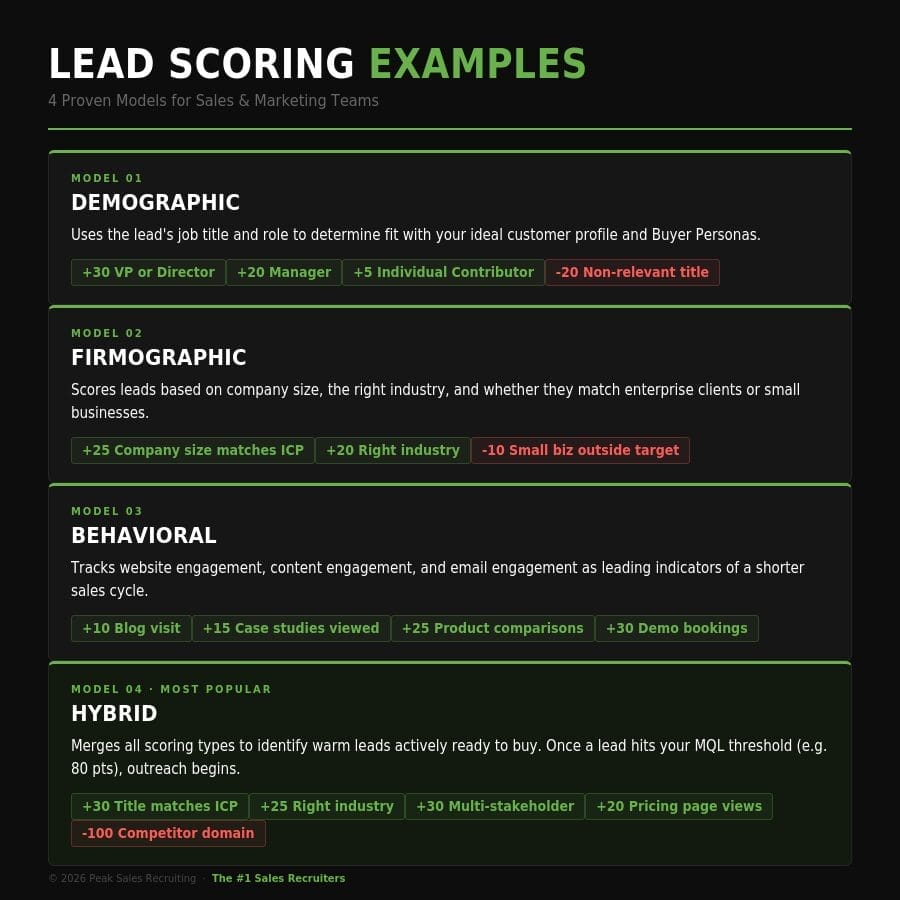
1. Demographic Lead Scoring

What it is:
Uses the lead’s job title and role to determine fit with your ideal customer profile and Buyer Personas.

Why is this important?
Helpful when selling to specific decision-makers.

Things to consider:
Job title alone does not reflect buyer behavior or sales readiness.

Sample point values:

  • +30 VP or Director in the target audience
  • +20 Manager
  • +5 Individual contributor
  • -20 Non-relevant job title

Tools To Assist: 6sense.com, Salesforce Einstein, LeadScape

2. Firmographic Lead Scoring

What it is:
Scores leads based on company size, the right industry, and whether they match enterprise clients or small businesses.

Why is this important?
Improves lead prioritization and filters out poor-fit accounts early.

Example scoring:

  • +25 Company size matches ICP
  • +20 Right industry
  • -10 Small businesses outside the target segment

Tools to assist: Clay, Hubspot, 6sense.com, Salesforce Einstein

3. Behavioral Lead Scoring

What it is:
Tracks website engagement, content engagement, and email engagement.

Why is this important?
Prospect engagement is a leading indicator of a shorter sales cycle. 

Things to consider:
Some users show casual interest without real conversion potential.

Example point values:

  • +10 Blog visit
  • +15 Case studies viewed
  • +25 Product comparisons page
  • +30 Demo bookings

Tools to assist: Madkudu, 6sense.com


4. Engagement Scoring

What it is:
Measures the depth of interaction across marketing channels.

Why is this important?
This helps distinguish promising leads from casual browsers.

Examples:

  • +10 Social media engagement
  • +20 Webinar attendance
  • +30 Multiple sessions in 7 days

Tools to assist: ActiveCampaign, HubSpot

5. Intent-Based Scoring

What it is:
Captures strong engagement signals tied directly to buying behavior.

Why is this important?
These signals often indicate higher conversion rates and the need for immediate follow-up.

Examples:

  • +25 Pricing page viewed three or more times
  • +30 Product comparisons
  • +20 Sales emails opened and replied to

Tools to assist: ZoomInfo

6. Account-Based Lead Scoring

What it is:
Scores multiple stakeholders from the same account.

Why is this important?
This is a clear indicator that your lead is a high-intent opportunity.

Things to consider:
This model works well for enterprise clients and longer buying journeys.

Examples:

  • +30 Two contacts from the same company are actively engaging
  • +20 Decision-maker plus influencer involved

Tools to assist: 6sense.com, Demandbase, Madkudu

7. Product Usage Scoring (SaaS)

What it is:
Uses real-time data from your product to gauge interest level.

Why is this important?
Product usage is a strong predictor of conversion rates and expansion.

Examples:

  • +20 Activated key feature
  • +25 Invited teammates
  • +30 Reached usage threshold

Tools to assist: Factors.ai, Hubspot

8. Negative Scoring and Score Degradation

What it is:
Prevents wasted sales effort by reducing scores over time.

Why is this important?
Score degradation keeps lead volume healthy and removes stagnant leads from active sales queues.

Examples:

  • -15 Competitor domain
  • -10 No activity for 14 days
  • -25 No activity for 30 days

9. Predictive Lead Scoring

What it is:
Uses predictive analytics, machine learning, and AI-powered scoring to analyze common characteristics across closed-won deals.

Why is this important?
Predictive scoring evaluates demographic and firmographic data, buyer behavior, engagement signals, and your tech stack to surface high-potential leads.

Benefits:

  • Data-driven insights
  • Higher conversion rates
  • Improved forecast accuracy

Tools to assist: Hubspot, Madkudu, 6sense.com

10. Hybrid Lead Scoring (Most Popular)

What it is:
A holistic method that merges many of the above options to identify the warm leads that are actively ready to buy.

Once a lead meets your MQL threshold (for example, 80 points), outreach begins with immediate follow-up.

This model supports better lead prioritization, higher conversion potential, and stronger alignment between marketing teams and sales professionals.

A hybrid approach combines:

  • Explicit and implicit data
  • Behavioral scoring
  • Firmographic fit
  • Intent signals
  • Predictive analytics

Sample blended scoring:

  • +30 Lead’s job title matches ICP
  • +25 Right industry
  • +30 Multiple stakeholders engaged
  • +20 Pricing page views
  • +15 Case studies
  • -100 Competitor domain
A breakdown of 4 key lead scoring models: Demographic, Firmographic, Behavioral, and Hybrid.

How to Build a Lead Scoring Model That Works

Strong lead scoring starts with alignment.

  1. Define Buyer Personas and the ideal customer profile
  2. Map buyer behavior across marketing efforts and marketing channels
  3. Assign point values using multiple data points
  4. Review conversion rates by score range
  5. Set a clear MQL threshold
  6. Create feedback loops between sales and marketing

Marketing automation tools and marketing tools help, but alignment matters more than technology. Avoid overcomplication. Focus on relevant, promising leads and their conversion potential.

The Most Common Lead Scoring Mistakes

Even experienced teams struggle with:

  • Over-scoring low-intent behaviors
  • No feedback loop from sales
  • Too many rules and data points
  • Ignoring score degradation
  • Relying on gut feeling instead of data-driven insights

These issues lead to wasted effort, poor lead prioritization, and lower conversion rates.

Final Thoughts

Lead scoring improves sales readiness, identifies high-potential leads, and supports higher conversion rates. But scoring alone does not close deals.

Once marketing efforts surface qualified prospects, success still depends on your sales professionals.

If you want reps who convert qualified leads into revenue, Peak Sales Recruiting helps companies hire proven performers who know how to follow up, personalize outreach, and close deals across complex buying journeys.

For more sales tips, tricks, and insights, visit The Peak Blog.

Recommended Resources

Sales Assessments: What They Are, Why They Matter, and How to Use Them to Improve Sales Performance

Hiring high-performing sales professionals is not just about reviewing resumes or conducting interviews. Today’s employers face tighter sales targets, rising customer expectations, and increasing pressure to avoid costly hiring mistakes. That is why more organizations are turning to sales assessments to strengthen their recruitment process and improve job performance across their sales force.

Sales assessments provide structured insight into how salespeople communicate, manage time, build trust, and approach closing deals. Whether you are a SaaS company scaling a new business or an employer refining succession planning, assessments help you make informed decisions while reducing the risk of a bad hire.

This guide covers what sales assessments are, their benefits, the most common types, and how to use them to improve sales goals, sales quota attainment, and customer satisfaction.

What Are Sales Assessments?

Sales assessments are structured online assessments or online tests designed to evaluate a candidate’s skills, behaviors, and sales aptitude. These tools go beyond surface-level sales experience to uncover how someone naturally handles sales conversations, client interactions, and pressure-filled sales calls.

Depending on the format, a sales assessment may function as a:

  • Sales test
  • Sales personality test
  • Sales Aptitude Test
  • Situational sales simulation
  • Behavioral evaluation

They help employers measure key competencies such as:

  • Relationship building and building trust
  • Communication and soft skills
  • Time management
  • Objection handling
  • Motivation and resilience
  • Closing deals and hitting sales targets

Sales assessments generate test results, test scores, and individual reports that give hiring teams objective data about how candidates approach work, engage potential clients, and respond to feedback.

Used properly, they support stronger job offers, reduce bounce rate from poor hiring matches, and improve long-term client retention.

Five Benefits of Sales Assessments

Sales assessments support every stage of the recruitment process, from testing candidates to onboarding new hires and developing top performers.

1. Make More Informed Hiring Decisions

Instead of relying solely on interviews or browsing experience on LinkedIn, employers gain structured insight through reports and assessment data. This helps identify which sales representative candidates align with your specific needs, industry trends, and sales goals.

Assessments reduce bias and improve hiring accuracy, helping potential employers avoid costly hiring mistakes.

2. Improve Job Performance and Sales Results

By identifying skill gaps early, organizations can tailor onboarding and coaching programs to improve sales call quality, sales conversation confidence, and closing deals. This directly impacts sales quota attainment and overall job performance.

3. Build Stronger Sales Teams

Sales assessments help create balanced sales teams by identifying complementary strengths across performers. This improves collaboration, client interactions, customer satisfaction, and relationship building across your sales force.

4. Support Sales Force Development and Succession Planning

Assessment data supports long-term planning by identifying leadership potential, readiness for promotion, and development paths for sales professionals. This is especially valuable for growing SaaS companies and organizations managing multiple sales roles.

5. Reduce Turnover and Bad Hires

Hiring the wrong salesperson affects marketing campaigns, CRM software adoption, client retention, and even relevant ad performance. Sales assessments help ensure candidates are positioned for success, reducing churn among new hires.

Four Types of Sales Assessments

Most organizations use a combination of assessment types to evaluate salespeople holistically.

1. Behavioral and Sales Personality Tests

These measure how candidates communicate, handle pressure, approach relationship building, and respond to feedback. They are essential for understanding soft skills and predicting client interaction quality.

2. Sales Aptitude Tests

Sales Aptitude Tests evaluate problem-solving, learning agility, and readiness to sell in modern environments. These are common in SaaS companies and new business sales teams.

3. Skills-Based Sales Tests

These simulate real-world sales calls, sales conversations, and closing scenarios. Candidates demonstrate how they would approach potential clients, manage objections, and drive new revenue.

4. Situational and Role-Specific Assessments

Designed around real job performance requirements, these tests evaluate how sales professionals manage time, use CRM software, handle sales targets, and engage prospects.

Many online assessments also generate individual reports that hiring managers use alongside previous experience and interviews to guide job offers.

Sales Assessment Comparison Table

Assessment TypeWhat It MeasuresBest ForImpact on Sales Performance
Sales Personality TestCommunication style, motivation, soft skillsRelationship-building rolesImproves client interactions and customer satisfaction
Sales Aptitude TestsLearning agility, problem-solvingNew hires and junior repsFaster ramp time and improved sales quota attainment
Skills-Based Sales TestSales calls, objection handling, closing dealsExperienced sales professionalsHigher close rates and stronger job performance
Behavioral AssessmentResponse to pressure, feedback, teamworkCulture fit and team alignmentReduced turnover and better collaboration
Situational AssessmentReal sales scenariosRole-specific hiringFewer costly hiring mistakes

5 Ways to Use Sales Assessments to Improve Sales Performance

Sales assessments should be integrated across hiring, onboarding, and development.

1. Use Assessments After Initial Screening

Once resumes and interviews narrow your pool, sales tests help validate whether candidates truly align with your sales targets and specific needs.

2. Align Assessments With Sales Goals

Customize assessments based on your sales model. Outbound reps require different skills than account managers focused on client retention and relationship building.

3. Apply Test Results to Coaching

Assessment reports highlight skill gaps and strengths, allowing managers to personalize onboarding and coaching plans for stronger sales conversation quality and sales quota results.

4. Evaluate Existing Sales Professionals

Periodic testing supports succession planning, identifies top performers, and uncovers development opportunities across your sales force.

5. Combine Data With Human Judgment

Test scores should complement interviews, case studies, and manager feedback. The best outcomes come from blending assessment data with real-world context.

How Peak Sales Recruiting Uses Sales Assessments

At Peak Sales Recruiting, sales assessments are used as a validation layer within a structured recruitment process, not as standalone hiring decisions.

Peak leverages a DISC behavioral assessment to better understand how candidates naturally communicate, respond to pressure, handle feedback, and approach their work.

Rather than filtering candidates solely by test results, Peak uses DISC after screening to confirm:

  • Behavioral fit with the role and sales team
  • Communication style during sales calls
  • Alignment with job responsibilities
  • How candidates manage client interactions
  • How they respond to coaching

This allows Peak to validate interview insights while supporting informed decisions for employers hiring sales professionals.

By combining assessment data with recruiter expertise, Peak helps companies avoid bad hires, reduce costly hiring mistakes, and build sales teams positioned for strong job performance and long-term client retention.

Final Thoughts

Sales assessments help employers move beyond resumes and browsing experience to understand how candidates truly perform.

From online tests and Sales Aptitude Tests to sales personality tests and skills evaluations, assessments provide actionable insight into relationship building, closing deals, and job performance.

When integrated into your recruitment process, they improve customer satisfaction, strengthen client retention, support marketing campaigns, and help sales teams consistently reach sales goals.

Whether you are hiring your next sales representative or building a scalable sales force, sales assessments give you the clarity needed to make smarter hires and drive better results.

Looking to recruit executives or sales leaders? Peak helps you find high-performing talent that fits your team. Contact us today.

Recommended Resources

15 Best Cold Calling Books Every Sales Professional Should Read

Outbound Prospecting: A Guide for B2B Sales Teams

Top 15 Sales Conferences to Attend in 2026

15 Best Cold Calling Books Every Sales Professional Should Read

Cold-calling mastery remains one of the most valuable skills in outbound sales. Even as new technologies reshape how buyers research and engage, cold calling continues to drive sales appointments, pipeline growth, and high-profit prospecting when executed correctly.

The most successful sales professionals do not rely solely on cold calls. They combine phone outreach with cold emails, the art of cold emailing, social selling, and emotional intelligence to reach prospects at the right moment in the customer’s buying journey.

That is why reading the right sales books matters.

Whether you are a new salesperson looking for step-by-step advice, an account executive focused on closing complex deals, or a founder building a repeatable sales motion, these books offer practical advice, proven steps, and real-world case studies that apply across industries.

15 Best Cold Calling Books

Below are 15 real sales books that consistently appear on top reading lists for cold calling mastery, outbound strategy, and sales productivity.

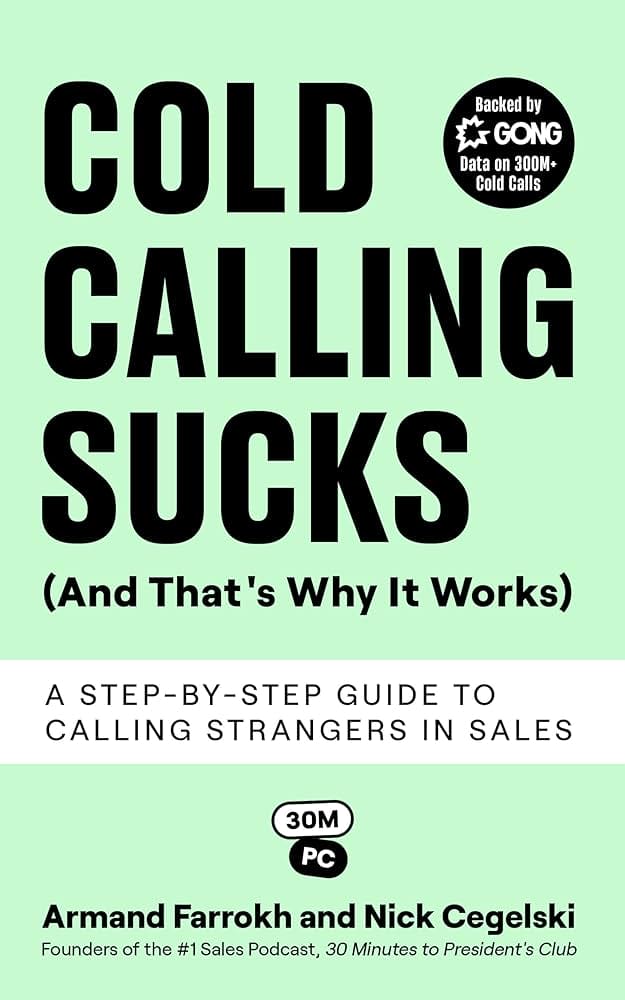
1. Cold Calling Sucks (And That’s Why It Works)

Authors: Armand Farrokh and Nick Cegelski

This bestselling book has become a go-to resource for modern sales teams looking to improve cold calling results without gimmicks. It embraces the numbers game while emphasizing effective scripts, call structure, and confidence.

Each chapter outlines clear steps for handling objections, booking sales appointments, and improving connect rates. The book also pairs well with cold emails and LinkedIn outreach as part of a broader outbound strategy.

Why It Stands Out:

  • Practical advice for overcoming call reluctance
  • Strong focus on sales appointments
  • A great book for SDRs and outbound teams

Buy on Amazon: https://amzn.to/3M0Z67y 

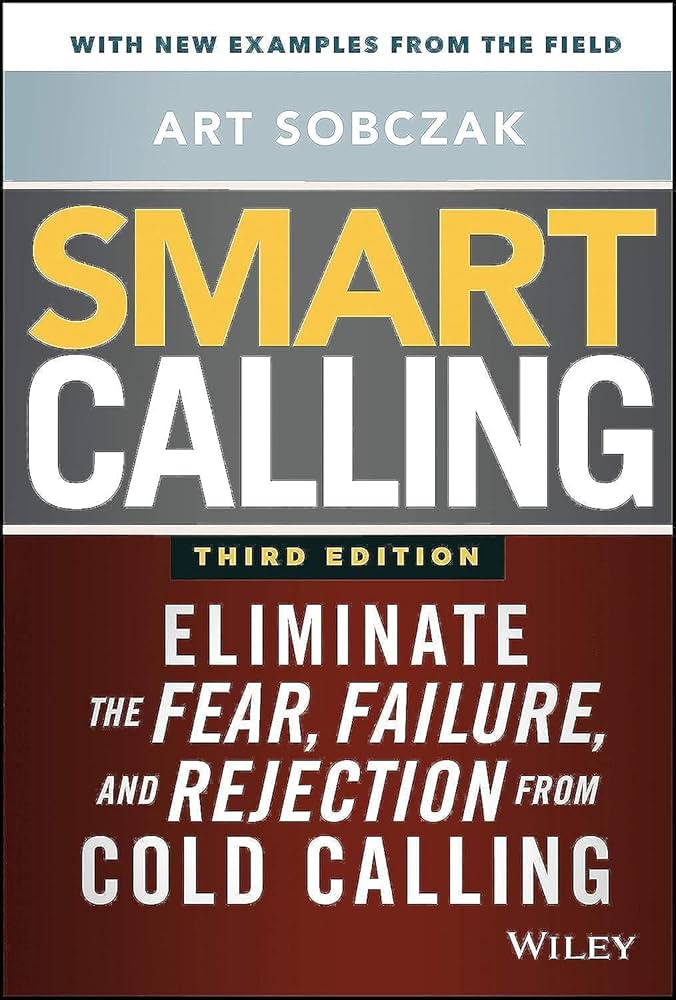
2. Smart Calling: Eliminate the Fear, Failure, and Rejection from Cold Calling

Author: Art Sobczak

Often described as the Ultimate Guide to Opening Sales Conversations, Smart Calling focuses on relevance and intelligence rather than volume. Sobczak teaches salespeople how to approach calls armed with insight that immediately earns attention.

The book blends research, emotional intelligence, and buyer psychology to help sellers stand out, especially when targeting senior decision-makers.

Best For:

  • Intelligence-led prospecting
  • Complex buying processes
  • Sales professionals seeking practical advice

Buy on Amazon: https://amzn.to/3OhX9UP 

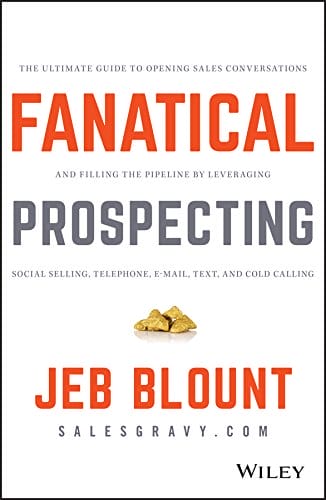
3. Fanatical Prospecting: The Ultimate Guide to Opening Sales Conversations and Filling the Pipeline by Leveraging Social Selling, Telephone, Email, Text, and Cold Calling

Author: Jeb Blount

Yes, the title is mouthful, but over 500,000 copies of this book have been sold for a reason. This bestselling classic reinforces that pipeline success comes from consistent activity across channels. Blount covers cold calls, cold emails, social selling, and follow-up as a unified system rather than isolated tactics.

It is frequently recommended as a foundational sales training book because it balances motivation with execution.

Best For:

  • Building outbound discipline
  • Filling pipeline predictably
  • An excellent read for growing sales teams

Buy on Amazon: https://amzn.to/4kbmPP5 

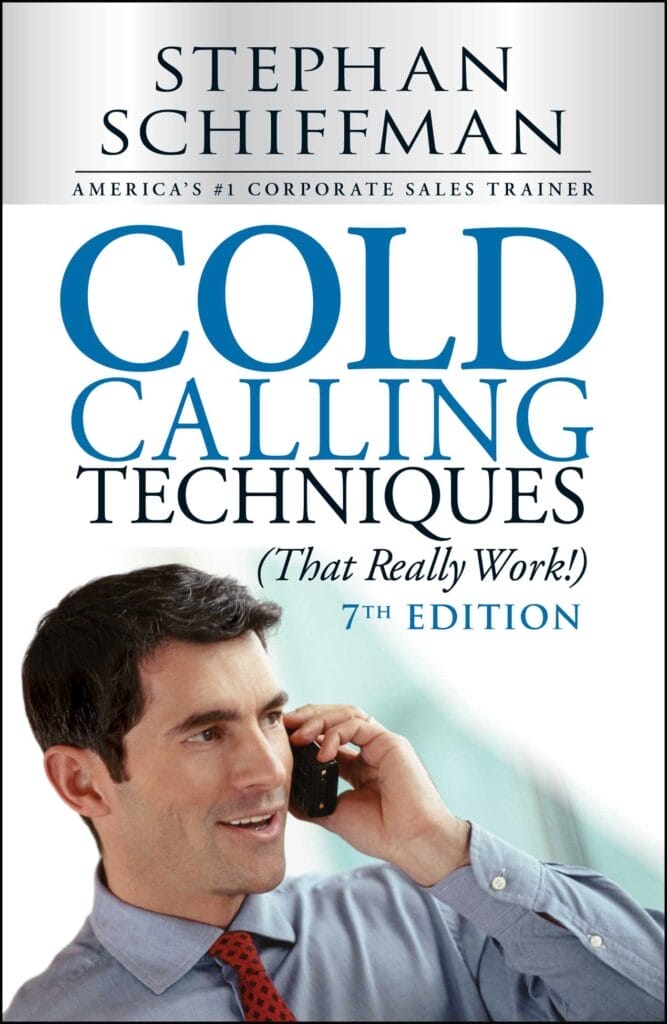
4. Cold Calling Techniques (That Really Work!)

Author: Stephan Schiffman

A long-standing staple in sales training, this book focuses on phone fundamentals that still apply today. Schiffman outlines effective scripts, qualification techniques, and call control strategies that help sellers move conversations forward.

It is especially useful for teams focused on volume-driven outbound.

Best For:

  • Structured sales processes
  • Improving close rates
  • Practical cold calling steps

Buy on Amazon: https://amzn.to/4arY4e4 

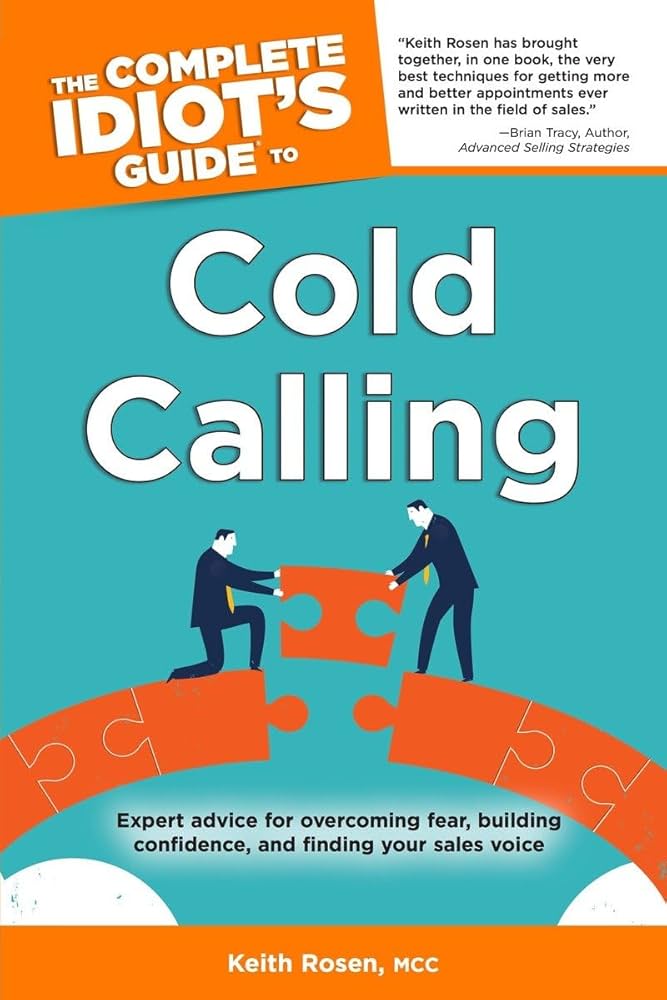
5. The Complete Idiot’s Guide to Cold Calling: Expert Advice for Overcoming Fear, Building Confidence, and Finding Your Sales Voice

Author: Keith Rosen

Despite the name, this is a thorough and thoughtful introduction to mastering cold calling. Rosen covers mindset, messaging, objection handling, and emotional intelligence in a clear, accessible way.

Each chapter includes practical advice and examples that are easy to apply, making it ideal for onboarding or a sales book club.

Best For:

  • New salespeople
  • Foundational sales tips
  • Confidence building

Buy on Amazon: https://amzn.to/46kyzZB 

6. Cold Calling for Cowards: How To Turn The Fear Of Rejection Into Opportunities, Sales, And Money

Author: Jerry Hocutt

This book focuses on the internal barriers that prevent salespeople from picking up the phone. Hocutt offers straightforward advice on overcoming fear, rejection, and hesitation through repetition and mindset shifts.

It pairs well with more tactical books focused on scripts and technique, like the aforementioned Cold Calling Techniques (That Really Work!).

Best For:

  • Overcoming fear of calling
  • First-time outbound sellers
  • Building consistency

Buy on Amazon: https://amzn.to/3Og1Gai 

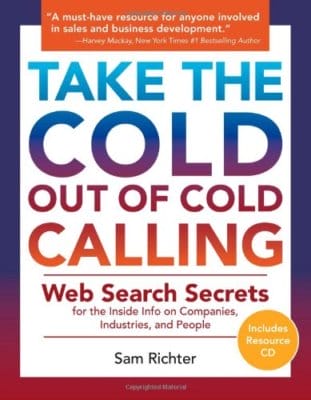
7. Take the Cold Out of Cold Calling: Web Search Secrets for the Inside Info on Companies, Industries, and People

Author: Sam Richter

This book emphasizes intelligence gathering and preparation. Richter shows how to use publicly available information, search engines, and social platforms to create warmer conversations before dialing.

It highlights innovative ways to prospect that feel personalized without being intrusive.

Best For:

  • Account-based selling
  • Research-driven outreach
  • Longer sales cycles

Buy on Amazon: https://amzn.to/4rwShd7 

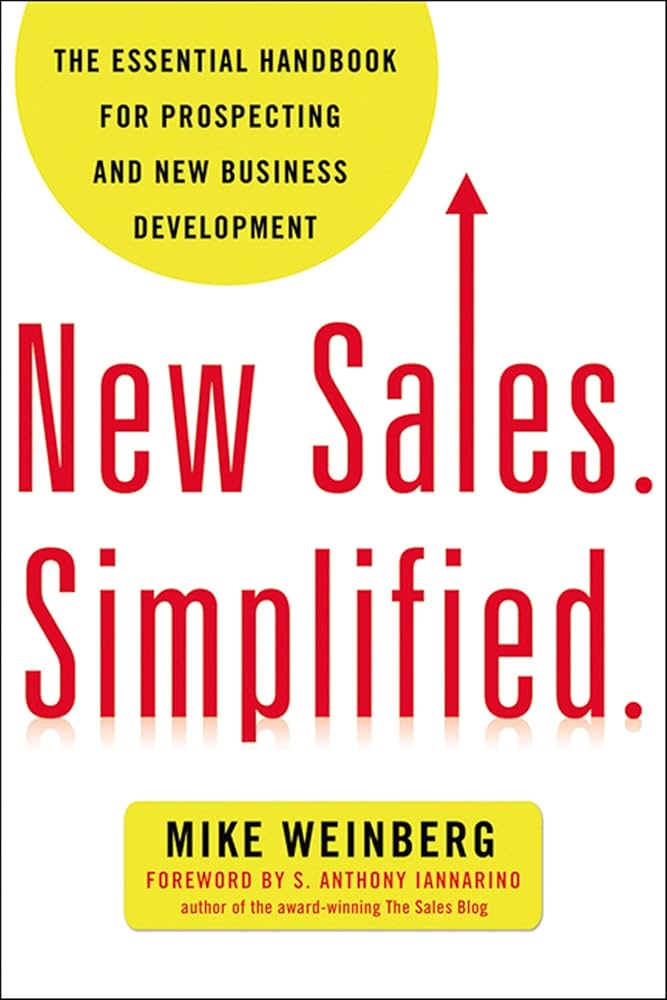
8. New Sales. Simplified.: The Essential Handbook for Prospecting and New Business Development

Author: Mike Weinberg

This Wall Street Journal–recognized book is frequently recommended as a founder’s guide to outbound sales. Weinberg emphasizes accountability, proactive selling, and ownership of results.

While not strictly about cold calling, it reinforces habits that drive consistent pipeline creation.

Best For:

  • Founders and sales leaders
  • Improving sales productivity
  • Outbound-focused teams

Buy on Amazon: https://amzn.to/4qUf5DJ 

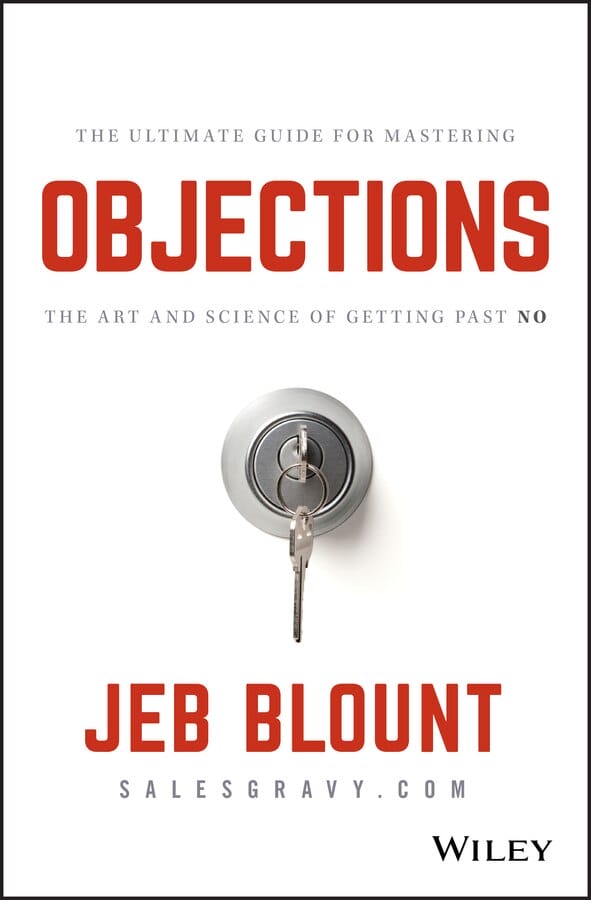
9. Objections: The Ultimate Guide for Mastering The Art and Science of Getting Past No

Author: Jeb Blount

Objections are a constant in cold calling. This book breaks them into predictable categories and teaches sellers how to respond calmly and confidently without pressure.

It is a strong complement to books focused on call opening and prospecting.

Best For:

  • Closing deals
  • Enterprise sales
  • Objection mastery

Buy on Amazon: https://amzn.to/4apmeWt 

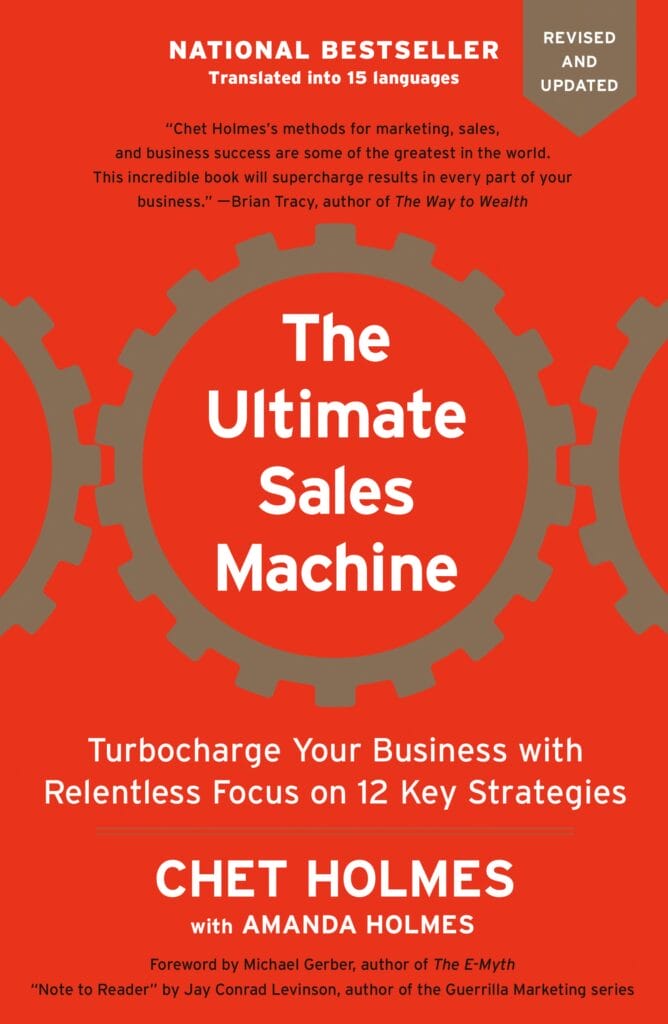
10. The Ultimate Sales Machine: Turbocharge Your Business with Relentless Focus on 12 Key Strategies

Author: Chet Holmes

This bestselling book focuses on systems, processes, and repetition. Holmes connects cold calling discipline with growth hacks, training, and long-term business scalability.

It includes case studies that show how small improvements compound into major performance gains.

Best For:

  • Scaling sales organizations
  • High-profit prospecting
  • Long-term sales success

Buy on Amazon: https://amzn.to/4qaTcP2 

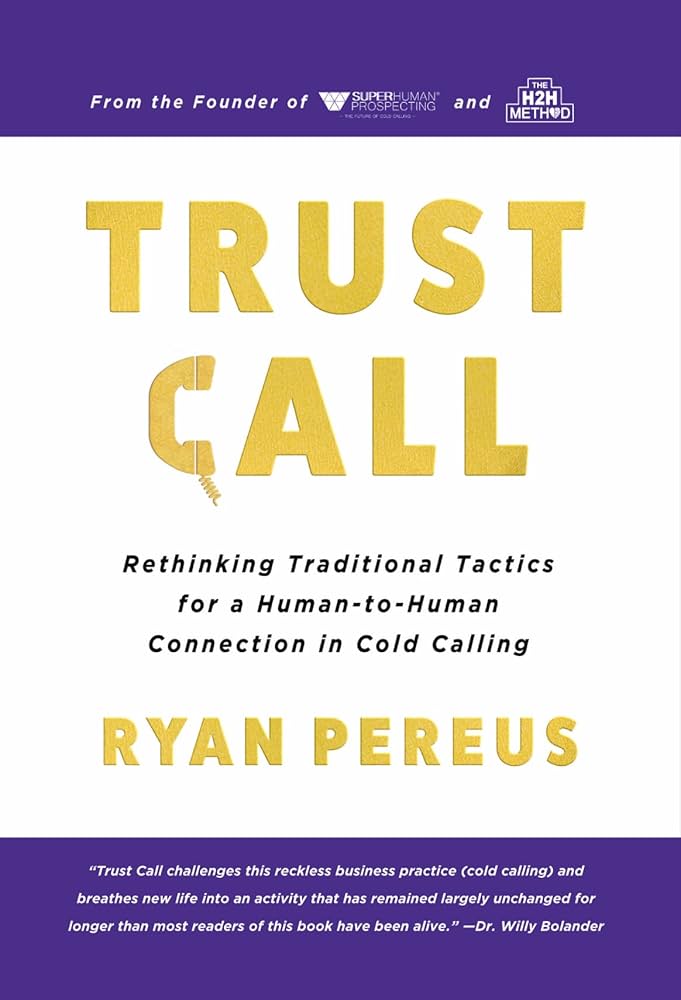
11. Trust Call: Rethinking Traditional Tactics for a Human-to-Human Connection in Cold Calling

Author: Ryan Pereus

Trust Call reframes cold calling as a relationship-building exercise rather than a transactional pitch. The book emphasizes transparency, tone, and trust as differentiators.

It is a newer book that aligns well with modern buying behavior.

Best For:

  • Consultative selling
  • Trust-based outbound
  • Modern sales teams

Buy on Amazon: https://amzn.to/49R6sDM 

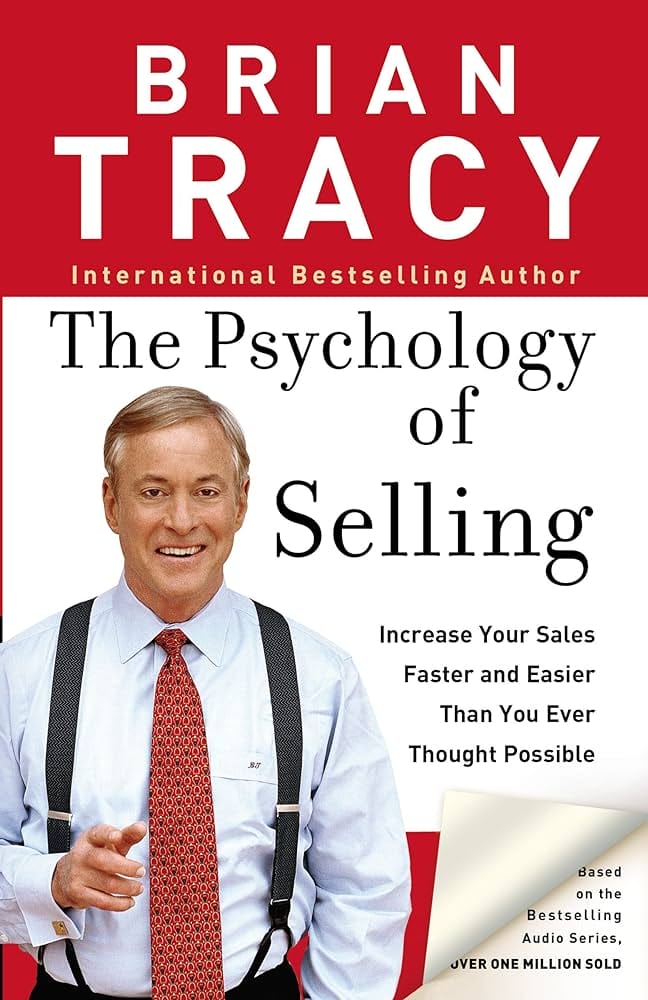
12. The Psychology of Selling: Increase Your Sales Faster and Easier Than You Ever Thought Possible

Author: Brian Tracy

This classic explores buyer motivation, emotional intelligence, and persuasion. While not focused solely on cold calling, its lessons apply directly to phone conversations and follow-up.

Best For:

  • Understanding buyer behavior
  • Improving persuasion
  • Long-term skill development

Buy on Amazon: https://amzn.to/4brvGd2 

13. How to Win Friends and Influence People

Author: Dale Carnegie

A foundational business book that continues to influence modern sales thinking. Its principles around communication and empathy are especially useful for cold calling and sales appointments.

Best For:

  • Rapport building
  • Communication skills
  • Relationship-driven sales

Buy on Amazon: https://amzn.to/4qaTo0I 

14. Never Split the Difference: Negotiating As If Your Life Depended On It

Author: Chris Voss

Written by a former FBI negotiator, this book teaches tactical empathy and negotiation skills that apply directly to complex sales conversations.

Often referenced alongside pop culture sales narratives like The Wolf of Wall Street, it focuses on discipline rather than hype.

Best For:

  • Negotiation-heavy deals
  • Enterprise sales
  • Closing complex opportunities

Buy on Amazon: https://amzn.to/4rpUpTE 

15. Pitch Anything: An Innovative Method for Presenting, Persuading, and Winning the Deal

Author: Oren Klaff

Pitch Anything focuses on framing and control, which are critical during cold calls and first meetings. Klaff’s concepts are often compared to techniques found in Power Phone Scripts, Million Dollar Rebuttal, and Untapped Selling Power by Scott Channell and Ryan Reisert.

Best For:

  • Account executives
  • Founders
  • Competitive sales environments

Buy on Amazon: https://amzn.to/46izaer 

Final Thoughts

Cold calling mastery is not about tricks or shortcuts. It is about consistent execution, emotional intelligence, and learning from proven systems.

These books deliver sales tips, effective scripts, growth hacks, and case studies that help sales professionals improve outcomes across calls, cold emails, and follow-up. Whether you prefer hardcover, eBook, or Kindle Edition, each of these titles offers practical advice you can apply immediately.

Cold calling is a skill built through repetition, coaching, and real-world execution. While books can offer valuable frameworks and techniques, many sales teams need faster results than a reading list can provide.

At Peak Sales Recruiting, we help B2B companies hire sales professionals who already possess the skills these books are designed to teach. Contact us today to discuss your hiring needs. 

Explore more resources on cold outreach:

Outbound Prospecting: A Guide for B2B Sales Teams

Outbound prospecting is still one of the most effective ways to build a sales pipeline, especially in competitive B2B markets. While inbound leads can be valuable, they are not always predictable, consistent, or scalable on their own.

For sales teams that need more control over who they speak to and when, outbound prospecting remains a core part of the sales process.

Outbound is a skill set, and not every rep has it. Peak Sales Recruiting helps B2B companies hire sales reps who can identify target accounts and turn cold conversations into real opportunities. Contact us to learn more

What Is Outbound Prospecting?

Outbound prospecting is the process of reaching out to potential customers who have not expressed interest in your product or service.

Instead of waiting for leads to come in, sales reps identify target accounts and initiate contact. They may use various communication channels such as:

  • Cold email
  • Cold calling
  • Social media outreach
  • Networking events

The primary goal of outbound prospecting is to start a relevant conversation with the right people (decision makers) and move qualified leads into your sales funnel. Outbound prospecting, when done right, creates steady opportunities. It also helps sales teams take control of their pipeline. 

Inbound vs Outbound Prospecting

Inbound prospecting focuses on attracting prospects through marketing efforts. These prospects might download a resource, fill out a form, attend a webinar, or request a demo. Inbound tends to work best when marketing teams and sales align on targeting and follow-up, so interested prospects don’t slip through the cracks.

Outbound prospecting focuses on sales-led outreach. Sales reps identify good-fit accounts and initiate contact. Outbound prospecting can include cold outreach, but it also includes following up with prospects who already recognize your brand through marketing touchpoints, events, referrals, or past conversations. 

Outbound prospecting is where reps:

  • Identify a good-fit company within their ICP.
  • Find the right decision makers.
  • Send outreach messages (or make a call) that earn a response from the prospect.
  • Move the conversation toward a first meeting.

Both approaches have a place in a healthy sales strategy. Inbound is often more efficient per-lead, but lead volume and quality can fluctuate. Outbound requires more effort upfront, but it allows teams to target specific industries and buyer personas that align with revenue goals. 

For most B2B organizations, the strongest pipelines use a mix of both prospecting methods

How to Build an Outbound Prospecting Strategy

1. Define Your Ideal Customer Profile (ICP)

Success in outbound prospecting starts with a clearly defined Ideal Customer Profile (ICP).

Your ICP should outline the buyers and organizations that will gain the most from your offering. These are most likely to become long-term customers. The ICP typically includes firmographic data like industry, company size, revenue, and geography, as well as role-specific details like job titles and responsibilities.

Without a defined ICP, outbound efforts can quickly turn into high-volume activity with low-quality results. 

Need a simple way to define your ICP without complicating it? Check out our full guide on building a strong sales ICP. 

2. Build a Targeted Prospect List

Once your ICP is clearly defined, the next step is to build a prospect list that reflects it. 

To be successful, prioritize quality over quantity. A smaller, well-researched list of accounts that closely match your ICP will almost always outperform a massive list built on loose criteria. 

Prospect lists should be regularly cleaned, updated, and segmented based on buyer intent. This allows messaging to stay relevant as markets continue to change. 

3. Create Clear, Relevant Messaging

Most prospects ignore outreach that seems generic or copied. The same rules apply to outbound messages. They work best when written for one specific person and their pain points, not an entire database of people.

Effective messaging always focuses on the prospect’s world first. Consider their role, their challenges, and what typically causes problems for people who are in similar situations. The goal is not to pitch immediately, but to earn a response by being relevant and concise. 

Strong outbound messaging skips buzzwords. It keeps emails short and explains why the outreach matters to the prospect.

4. Choose the Right Channels

Outbound prospecting is rarely effective when it relies on a single channel. Most sales teams use a combination of cold email, cold calling, LinkedIn outreach, and occasional in-person networking events. Different prospects respond to different channels, and a multichannel contact strategy increases overall reach. 

That said, channel choice should still reflect buyer behaviors. Senior decision-makers may prefer a short email or phone call, while others may engage more on LinkedIn or other platforms.

5. Start Prospecting and Stay Consistent

Consistency is key in outbound prospecting, including daily activity, structured follow-ups, and realistic expectations for response timing. Very few prospects reply on the first touch, which is why outbound prospecting cadences matter just as much as the initial message. 80% of sales deals require five follow-up calls. By not following up, money is being left on the table. 

Sales teams that treat outbound prospecting as a repeatable, scalable process rather than a one-off effort tend to see stronger, and more predictable results. 

How to Measure Outbound Prospecting Success

Success in outbound prospecting should be measured beyond just meetings booked. Some of the most important sales metrics include:

  • Contact rate – measures how many successful connections you make with prospects.
  • Response rate – measures how often prospects respond to your outreach.
  • Qualification rate – assesses lead quality by tracking how many responses turn into real opportunities.

Tracking these metrics together provides a more complete picture of whether your outbound prospecting efforts are working or simply making noise. 

Outbound Prospecting Tools

There are plenty of outbound prospecting tools on the market. These tools can boost your sales team’s productivity by reducing administrative tasks. However, they aren’t a substitute for smart targeting and careful execution. 

The best tools support outbound prospecting in a few core areas:

1. Contact Data Tools

Contact data tools will help your sales team build lists, find the right decision-makers, and ensure they receive accurate contact details. This way, their outreach efforts won’t go to waste.

  • ZoomInfo: One of the largest and most well-known platforms for B2B company and contact data. ZoomInfo is useful for list building and account research. 
  • Apollo.io: Apollo is a strong option for companies that are looking for contact data and basic outbound sequencing in a unified platform.
  • Lusha: Helpful for quickly pulling phone numbers and email addresses. Lusha is more commonly used by smaller sales teams or individual sales representatives. 

2. Sales Engagement and Sequencing Tools

Sequencing tools help sales teams maintain consistent follow-ups. They support prospecting cadences and help run consistent prospecting campaigns. They also allow for structured, multi-touch outreach.

  • Outreach: Outreach is a popular tool used across B2B sales teams to build sequences, track prospect engagement, and manage outbound sales activity. 
  • Klenty: Sales engagement platform for running multi-touch outbound cadences. Offers strong customer relationship management (CRM) integration options as well. 
  • Reply.io: Often used by teams that rely heavily on cold outreach. Features multichannel outreach, email writing, and performance reporting. 

3. Personalization Tools

Outbound is noisy. Your prospects can tell when they are getting a generic message also sent to 300 other prospects. Personalization tools help sales reps add a human touch to their outreach.

  • Sendspark: Allows reps to create short, personalized videos at scale.
  • Loom: Another video messaging option for prospecting, follow-ups, or sharing quick demos without booking a meeting. 
  • Lavender.ai: Helps reps improve email quality, clarity, and structure. This tool is especially useful for greener sales reps. 

Final Thoughts on Outbound Prospecting

Outbound prospecting can often feel frustrating for sales reps because the effort must come before the results. When the strategy is clear, outbound prospecting is a reliable way to keep pipelines moving. This is especially true when inbound leads are inconsistent.

Winning outbound sales teams focus on four key areas:

  • Strong targeting
  • Clean contact data and lists
  • Relevant messaging
  • Consistent follow-up

Build a repeatable outbound prospecting system and stick with it; the results will follow. 

Resources

For more sales resources, check out some of our recent blogs:

Emotional Intelligence in Sales: The Skill Top Performers Use to Close More Deals

Lead Qualification Criteria Explained: What Buying Signals Matter Most

AI in Sales: The 2026 Guide to a Smarter, Faster, and More Predictive Sales Landscape